

eCO2 3D Laser Resurfacing
Forever Young Aesthetics | Birmingham, MI
eCO2 3D Laser Resurfacing
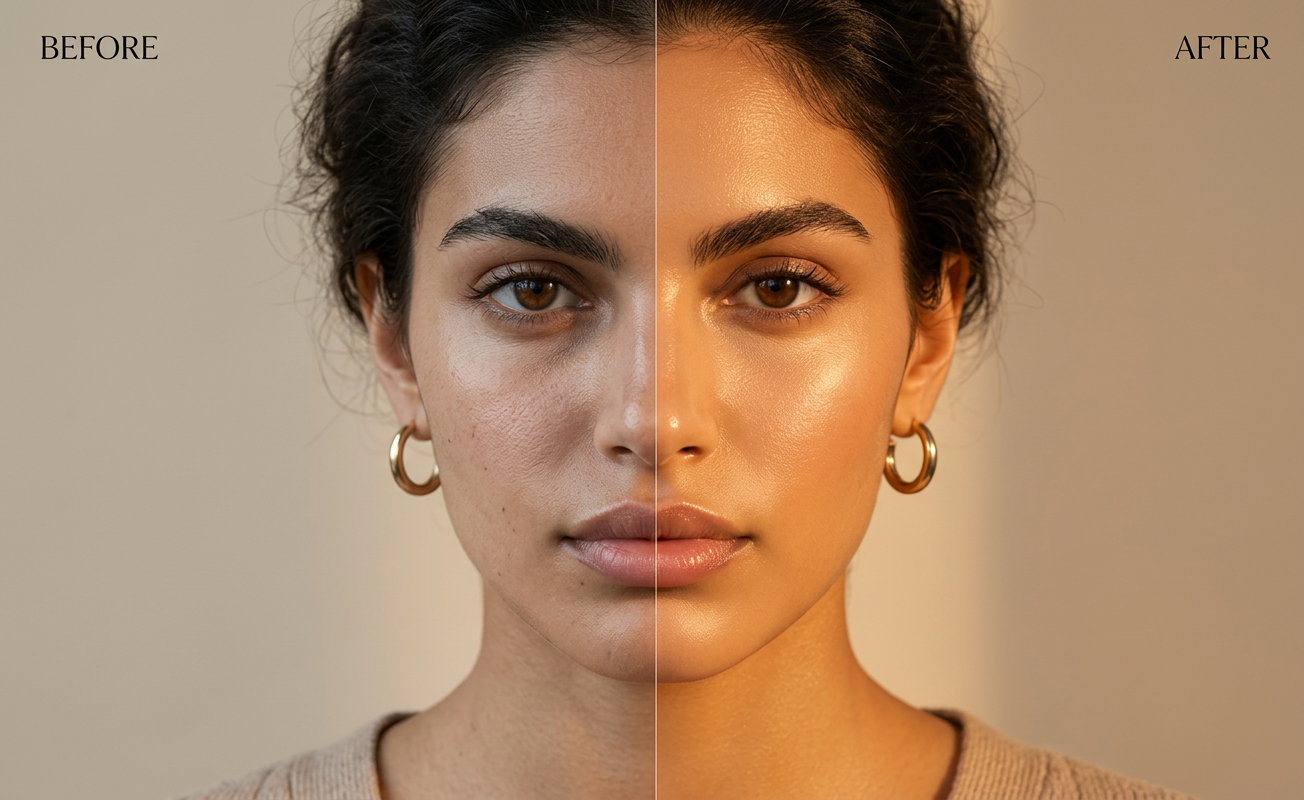
Most people come in noticing the same things: skin that looks dull, uneven, or tired no matter how consistent they are with their skincare. Fine lines around the eyes and mouth that are settling in. Texture that catches the light in a way it didn’t used to. Sun damage that has accumulated over years and isn’t going anywhere on its own.
These changes are gradual, and so is the right approach to addressing them. That’s where fractional CO2 laser resurfacing comes in.
At Forever Young Aesthetics, we use the eCO2 3D by Cynosure Lutronic, a next-generation fractional CO2 platform that lets us customize each treatment to the patient in front of us rather than applying a one-size approach to skin resurfacing.
What Is Fractional CO2 Laser Resurfacing?
CO2 lasers have long been considered the gold standard in skin resurfacing, and for good reason. The laser targets water in the skin, creating precise channels that prompt the body to generate new collagen and resurface from within.
What makes fractional technology different from older ablative CO2 treatments is that it treats only a fraction of the skin at a time, leaving surrounding tissue intact. That intact tissue supports faster recovery and a more controlled healing process, while still delivering meaningful improvement in skin quality over time.
The eCO2 3D takes this a step further by offering three different tip sizes, two treatment modes, and a wide energy range, so the depth and intensity of each session can be matched to your specific concerns and tolerance.
How the eCO2 3D Works
The system delivers precise microbeams of laser energy into the skin at a controlled depth. This creates thousands of tiny treatment zones that prompt the skin to repair itself, building new collagen and replacing damaged tissue with healthier cells. The surrounding skin remains untouched, which supports recovery and allows the treatment to be applied across a range of skin concerns and comfort levels.
The eCO2 3D uses patented Controlled Chaos Technology, a randomized scanning pattern that ensures energy is distributed evenly across the treatment area. This reduces the risk of hot spots and helps keep both results and recovery more consistent.
Three Depths. Two Modes. One Platform.
One of the reasons we invested in the eCO2 3D is its flexibility. Not every patient needs the same depth of treatment, and this system makes it possible to adjust that without switching to a different device.

Three Tip Sizes
The system includes three interchangeable tips that determine how deeply energy penetrates the skin.
The 120 micron tip delivers energy at the greatest depth, reaching approximately 952 microns into the tissue. This is appropriate for more significant concerns like deeper wrinkles, moderate skin laxity, and textural irregularities that have not responded to lighter treatments. Recovery with this setting is more involved.
The 300 micron tip offers a middle range, reaching approximately 766 microns. This is a good option for patients who want meaningful improvement but prefer a more moderate recovery window. It addresses texture, fine lines, and tone effectively.
The 500 micron tip is the most superficial setting, reaching approximately 160 microns. This is the tip used in Precision Peel sessions, which are designed for patients who want to refresh skin quality with minimal downtime. Good for new patients, those maintaining results, or anyone preparing for an event.
Two Treatment Modes
Static mode targets a fixed area with deeper, more concentrated energy. It's appropriate when the goal is more significant tightening or wrinkle reduction in a specific zone.
Dynamic mode moves across the skin more quickly, delivering gentler energy over a larger area. It improves overall tone and texture with shorter treatment times and a lighter recovery.
Depending on your goals, we may use one mode or combine both in a single session.
What the eCO2 3D Can Address
The eCO2 3D is FDA-cleared for a range of skin concerns, including:
- Fine lines and wrinkles
- Skin laxity and textural irregularities
- Acne scars and surgical scars
- Pigmented lesions, sun damage, and uneven tone
- Dyschromia and actinic keratosis
- Overall skin quality and surface refinement
Results vary by individual, the setting used, and how many sessions are completed. We’ll discuss realistic expectations during your consultation before any treatment begins.
Precision Peel: A Lower-Downtime Option
For patients who want the benefit of CO2 resurfacing without the recovery associated with more aggressive settings, the Precision Peel protocol using the 500 micron tip offers a gentler entry point.
Precision Peel sessions are shorter, more comfortable, and designed for patients who want to improve texture, tone, and overall radiance without a significant downtime window. Many patients use this as a maintenance treatment after completing a more intensive resurfacing series, or as a way to prepare skin for a specific event.
It is still a medical-grade laser treatment and should be approached accordingly. We’ll be clear about what to expect before and after.
What to Expect
Before Your Treatment
We’ll review your skin concerns, medical history, and any factors that might affect candidacy or recovery during a consultation. We’ll discuss which tip and mode are appropriate for your goals, what realistic results look like for your skin type, and how to prepare your skin in the days leading up to your appointment.
During the Treatment
Treatment times vary depending on the area being treated and the settings used. A topical numbing agent is applied beforehand to keep you comfortable. You may feel warmth or a mild prickling sensation during the session.
After Your Treatment
Recovery depends on which settings were used. Lighter sessions using the 500 micron Precision Peel tip may involve minimal redness and some surface shedding that resolves within a few days. More intensive sessions using the 120 or 300 micron tip typically involve more visible redness, swelling, and surface healing that may last several days to a week or more.
We’ll give you clear aftercare instructions before you leave, including guidance on gentle cleansing, moisturizing, and sun protection. Avoiding sun exposure before and after treatment is important for both safety and results.
Most patients plan a buffer of at least one to two weeks before any important events following a more intensive session.
Who Is a Good Candidate?
The eCO2 3D is appropriate for a range of patients looking to improve skin quality, address sun damage, reduce the appearance of fine lines and texture, or improve the look of scars. The treatment is suitable for Fitzpatrick skin types I through IV. During your consultation, we’ll review your skin type, tone, and goals to determine whether fractional CO2 resurfacing is the right approach for you and which settings make the most sense.
This treatment is not appropriate for patients with active skin infections, certain medical conditions, or during pregnancy. We’ll ask thorough intake questions to make sure the timing and approach are right before proceeding.
Frequently Asked Questions
What is the eCO2 3D and how is it different from other CO2 lasers?
The eCO2 3D is a fractional CO2 laser by Cynosure Lutronic. What sets it apart is the range of customization it offers: three different tip sizes that correspond to three depths of treatment, two delivery modes for different goals, and a wide energy range. That flexibility means we can tailor each session rather than applying the same settings to every patient. Lighter sessions are possible for patients who want minimal downtime, and more intensive settings are available when a more thorough resurfacing approach is appropriate.
Is it the same as a traditional CO2 laser?
Fractional CO2 and traditional ablative CO2 lasers both use the same wavelength of light and work similarly in the skin. The difference is how the energy is delivered. Traditional ablative CO2 resurfaces the entire surface of the treated area. Fractional technology treats only a portion of the skin at a time, leaving surrounding tissue intact to support healing. This generally means a more manageable recovery compared to fully ablative treatments, while still delivering meaningful improvement.
How many sessions will I need?
This depends on your goals, your skin, and the depth of treatment used. Some patients with mild concerns see meaningful improvement after one or two sessions using lighter settings. Others with more significant texture, laxity, or scarring may benefit from a series. We’ll give you a realistic recommendation during your consultation rather than a generic answer.
What is the downtime like?
Recovery varies significantly depending on the tip and settings used. A Precision Peel session using the 500 micron tip typically involves mild redness and light surface shedding that resolves within a few days. More intensive sessions using the 120 or 300 micron tip may involve more visible healing that lasts several days to a week or longer. Plan accordingly before any important events, and expect to follow a specific aftercare protocol during the healing window.
Will I see results right away?
Some surface improvement in texture may be visible fairly quickly after initial healing. The deeper benefit of fractional CO2, which comes from collagen remodeling, builds gradually over the following weeks and months. Most patients notice continued improvement in skin quality for several months after treatment. Results vary by individual.
Is it painful?
We apply a topical numbing agent before treatment to keep you comfortable. Most patients describe the sensation as warmth or mild prickling during the session. More intensive settings may be more noticeable, but discomfort is generally well managed.
Is it safe for my skin tone?
The eCO2 3D is appropriate for Fitzpatrick skin types I through IV. If you have a deeper skin tone, we’ll discuss this carefully during your consultation. Fractional CO2 carries a risk of post-inflammatory hyperpigmentation in certain skin types, and we take candidacy seriously before recommending this treatment.
How long do results last?
Results from fractional CO2 resurfacing are not permanent, but they can be long-lasting, particularly when maintained with good sun protection and a consistent skincare routine. Many patients schedule maintenance sessions once or twice a year to support ongoing skin quality. Results vary.
Can it be combined with other treatments?
In some cases, yes. We’ll discuss what makes sense for your overall treatment plan during your consultation. Combining treatments requires careful planning and appropriate timing, and we’ll always prioritize your safety and skin health over adding services.
How do I know if this is the right treatment for me?
The honest answer is that it depends on what you’re trying to address, your skin type, your tolerance for downtime, and where you are in your overall skin health journey. Some patients are better served starting with a gentler approach and building from there. Others are good candidates for more intensive resurfacing right away. A consultation lets us look at your skin, understand your goals, and make a recommendation that makes sense for you specifically.
If you’ve been noticing changes in your skin quality and want to understand whether fractional CO2 resurfacing is right for you, we’d be glad to take a look and talk through your options.
Appointments are by appointment only. We see patients Tuesday through Friday from 10:00 AM to 5:00 PM and Saturday from 10:00 AM to 2:00 PM.
33263 Woodward Avenue, Birmingham, MI 48009 (248) 220-7437 info@foreveryoungmi.com
Results vary. Individual outcomes depend on skin type, concern, settings used, and number of sessions completed. This information is educational and does not constitute medical advice. Please schedule a consultation to determine whether this treatment is appropriate for you.